This is The Talent Bar. Join Colleen Gallagher for candid conversations with talent leaders as we explore the work that drives them, the lessons they've learned, and how they're helping people find careers they love. The show is sponsored by Lavalier, an interview intelligence platform built by Textio.
All Episodes
Latest Episodes

All Episodes →
#26

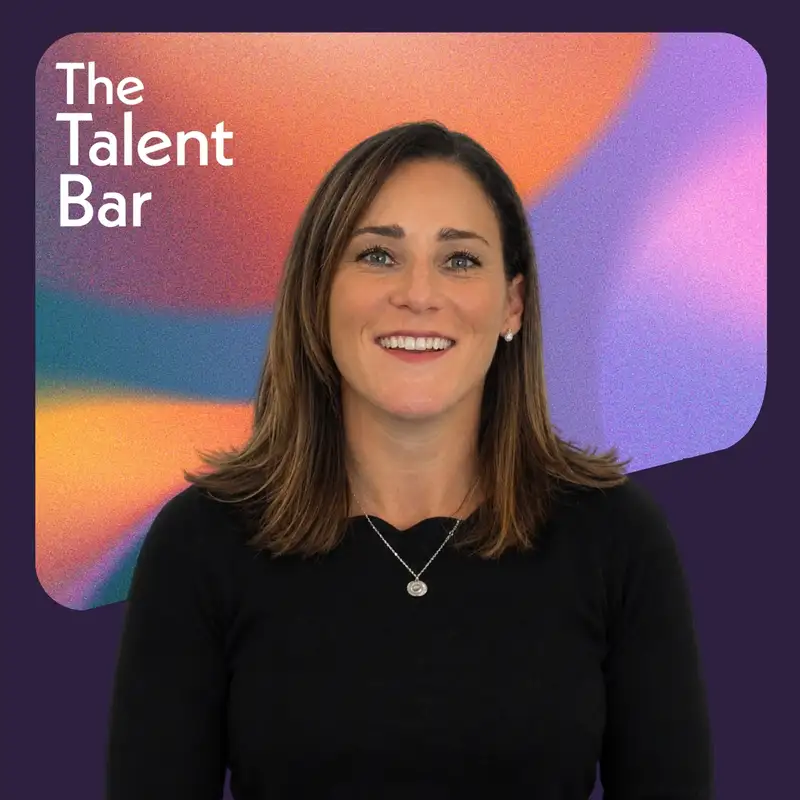
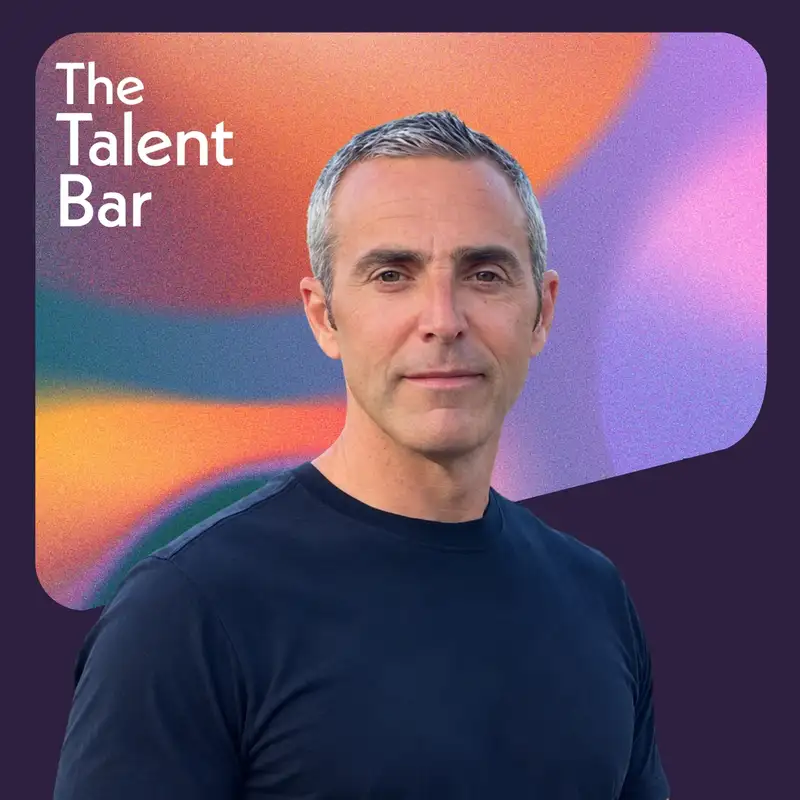
Hiring Is a Team Sport with Daniel Dale

Daniel Dale started his career carrying a quota in enterprise security sales, then built his own recruiting agency before moving in-house. Nearly 10 years later, he leads talent acquisition across EMEA and APJ at Tenable. In this episode, he talks with Colleen about why understanding the business matters more than filling reqs, how he separates business problems from recruitment problems, and why quality of hire belongs to everyone. He also shares how recording and reviewing interviews has become his team's "thousand hours of tape," how Tenable handles candidate fraud, and the charity cycling ride that has him climbing Mont Ventoux in memory of his mother.   Takeaways: Learn the business you're hiring for. Recruiters who understand what the company needs and want to see their hires succeed do better work than those who just fill seats. Ask yourself whether you're invested in the end result or just the offer letter. Sort your problems into two camps: recruitment problems and business problems. If your team has done everything from kickoff to a strong slate of candidates, decisions about hiring now, later, or not at all sit with the business. Know where your job ends so you can support your team through the pressure. Treat quality of hire as a shared responsibility. When a hire doesn't work out, look back at the interview, the onboarding, and the environment without pointing fingers. Use backfills as a chance to ask what's changed and what you don't want to repeat. Review your interview recordings the way athletes review game tape. Have people watch themselves back first and frame it as coaching rather than inspection. You'll build better interviewers, get better data, and protect your team if a candidate disputes what happened. Fight candidate fraud at every stage of the process. Be upfront about requirements like no virtual backgrounds and ID checks, and never make an offer without meeting the person face to face. When your gut says something is off, press on it. Quote of the Show: "We never make an offer without actually meeting that person face to face." - Daniel Dale Links: LinkedIn: https://www.linkedin.com/in/dadale/ Website: https://www.tenable.com/ Ways to Tune In: The Talent Bar: https://thetalentbarpodcast.com/  Spotify: https://open.spotify.com/show/6j8LK95YtqW7ZMU4kwBNgR   Apple Podcasts: https://podcasts.apple.com/us/podcast/the-talent-bar/id1891705495  Amazon Music: https://music.amazon.com/podcasts/b7f77aa2-de4c-4e5c-b5de-cfe60fe39c77   iHeart Radio:https://www.iheart.com/podcast/1333-the-talent-bar-328811219 YouTube: https://www.youtube.com/@TheTalentBar
#25

The Rebuild with Vikki Costello

Vikki Costello has spent nearly 15 years at Pariveda, growing through six different roles to become Senior Director of Talent Acquisition at the employee-owned tech consulting firm. In this episode, she talks with Colleen about what it took to rebuild her team from nearly 30 people down to eight, why curiosity and diagnostic thinking are the traits she looks for most in a recruiter, and how bringing in interview intelligence software and migrating ATS platforms helped her team scale without adding headcount. Vikki also shares how Pariveda's employee ownership shapes a culture of radical transparency, and why AI has made critical thinking, not automation, the skill that will set recruiters apart in the years ahead.   Takeaways: Curiosity is the trait that separates good recruiters from great ones. Vikki looks for people who are diagnostic, who dig into why something is happening instead of letting it slide. In a field as unpredictable as recruiting, that instinct to ask "why" catches problems before they become bigger ones. Rebuilding a team is a chance to build utility players, not just replace headcount. When Vikki's team shrank from nearly 30 to eight, she cross-trained everyone to run and cover multiple functions instead of simply backfilling roles. That flexibility is what let the team scale again without ballooning in size. Build the business case before you build the tool. Before bringing in interview intelligence software, Vikki mapped out interview counts and time to hire so leadership could see exactly where the investment would pay off. Running a pilot with senior stakeholders first turned early skeptics into advocates. Partner fit matters as much as product fit. When Vikki's team evaluated new platforms, they weighed vendor relationship and hand-holding just as heavily as features, especially as a smaller organization. Choosing a partner who can grow with you beats chasing the flashiest tool on the market. AI can speed up screening, but critical thinking is what will set recruiters apart. Vikki's team uses AI carefully, with guardrails, to manage volume like 8,000 applicants for a single role. She believes the recruiters who can think critically about fraud, fit, and candidate behavior are the ones who will matter most as AI reshapes hiring. Quote of the Show: "Critical thinking is what's probably gonna help set us apart as a recruiting team in this next wave of work." - Vikki Costello Links: LinkedIn: https://www.linkedin.com/in/vikkicostello/ Website: https://parivedasolutions.com/ Ways to Tune In: The Talent Bar: https://thetalentbarpodcast.com/  Spotify: https://open.spotify.com/show/6j8LK95YtqW7ZMU4kwBNgR   Apple Podcasts: https://podcasts.apple.com/us/podcast/the-talent-bar/id1891705495  Amazon Music: https://music.amazon.com/podcasts/b7f77aa2-de4c-4e5c-b5de-cfe60fe39c77   iHeart Radio:https://www.iheart.com/podcast/1333-the-talent-bar-328811219 YouTube: https://www.youtube.com/@TheTalentBar
#24

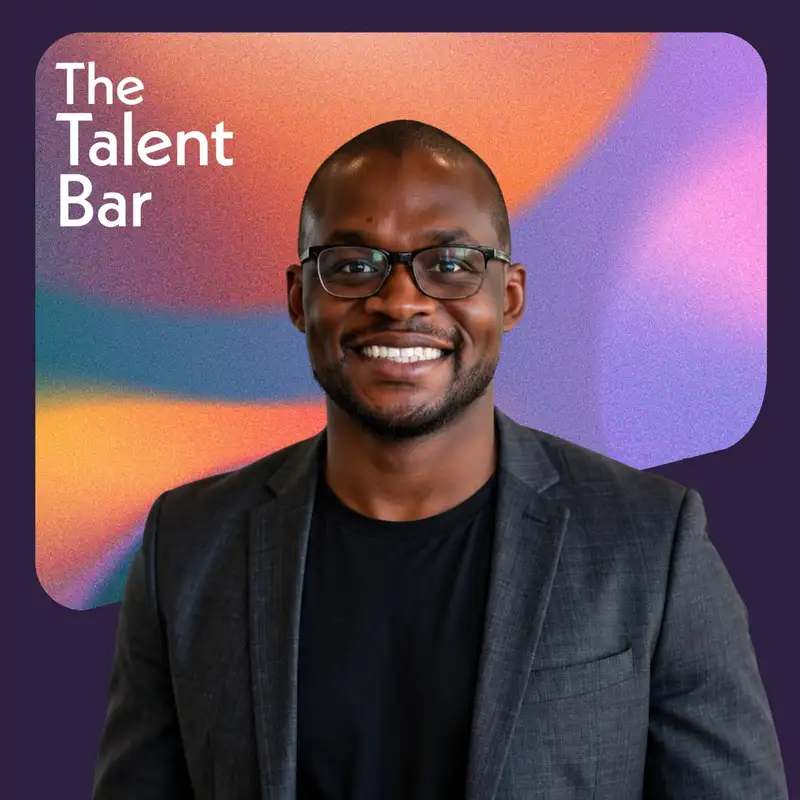
Do What's Right with Mawulom Nenonene

Mawulom Nenonene spent nearly seven years building weapon systems for the US Department of Defense as a mechanical engineer before an unexpected pivot took him into technical sourcing at Google, and from there into a decade of building and leading talent functions at Thumbtack, BetterUp, the Long Term Stock Exchange, and Point. In this episode, he talks with Colleen about the real difference between a good recruiter and a great one, why he gives every new sourcing tool a strict four to six week trial, and how he's building a recruiting engine from scratch as Flux scales from 18 to 80 people. Mawulom also opens up about the personal loss that redirected his entire career, why he believes consistency matters more than kindness when it comes to earning trust, and why "culture add" has replaced "culture fit" in how he hires. Takeaways: Good recruiters know the job. Great ones know the why. Understanding an organization's disposition and gaps, not just filling a seat, is what separates a recruiter who hits targets from one who actually shapes the team. If you're not steeped in the "why" behind a role, you're optimizing for the wrong outcome. No action can beat the wrong action. Moving fast with an untested process (like blasting thousands of automated messages to the wrong candidates) does more damage to your brand than simply pausing to figure out the right approach. If you don't know what to do yet, it's often better to do nothing than to guess loudly. Give new tools, and new roles, a real runway before judging them. Mawulom tests every sourcing tool for four to six weeks minimum, watching not just results but responsiveness to feedback. The same patience applies to people: expect a real learning curve before writing off a new hire, a new process, or yourself in a new industry. Consistency builds trust faster than charm does. Mawulom has learned to judge leaders less by how pleasant they are in the moment and more by whether they apply their principles the same way every time, good day or bad. A leader who is tough but fair, consistently, is more trustworthy than one who's warm but plays favorites. Hire for culture add, not culture fit. When you're building a high-performance team, the goal isn't finding people who match the existing vibe, it's finding people who bring something the team doesn't have yet. Culture fit protects what already exists; culture add pushes it forward. Quote of the Show: "A good recruiter is an individual that knows the job. A great recruiter is someone that understands the why." - Mawulom Nenonene Links: LinkedIn: https://www.linkedin.com/in/mawulom/ Website: https://www.flux.ai/p Ways to Tune In: The Talent Bar: https://thetalentbarpodcast.com/  Spotify: https://open.spotify.com/show/6j8LK95YtqW7ZMU4kwBNgR   Apple Podcasts: https://podcasts.apple.com/us/podcast/the-talent-bar/id1891705495  Amazon Music: https://music.amazon.com/podcasts/b7f77aa2-de4c-4e5c-b5de-cfe60fe39c77   iHeart Radio:https://www.iheart.com/podcast/1333-the-talent-bar-328811219 YouTube: https://www.youtube.com/@TheTalentBar
#23

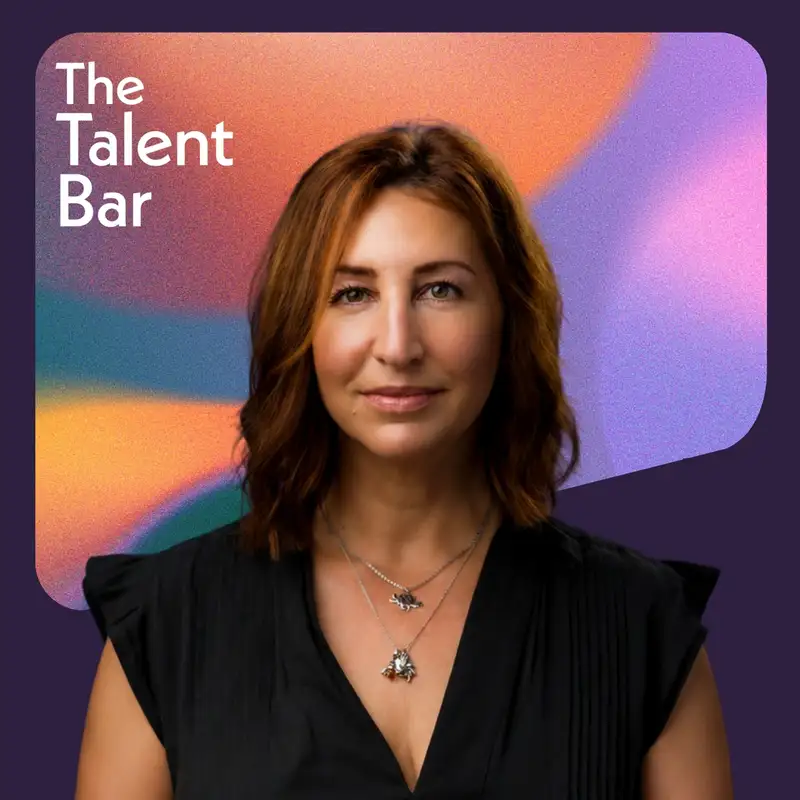
The Long Game with Dana Neiger

Dana Neiger spent eight years running her own recruiting firm focused on transportation engineering before stepping into talent acquisition leadership at Barge Design Solutions, a 70-year-old, employee-owned AEC firm with plans to grow from 700 to 1,000 employees in under two years. In this episode, she talks with Colleen about why relationship-based recruiting is non-negotiable in a talent pool small enough that everyone knows everyone, how she built new metrics like the recruiter maintenance ratio to tell the TA value story to leadership, and why AI has made tailoring a resume, not outsourcing it, more important than ever. Dana also shares how she coaches new recruiters through what she calls a three-year relationship-building runway, and why being willing to say no to a hiring manager, with real reasons behind it, is one of the most valuable things a recruiter can do. Takeaways: Relationships you build today aren't for today. In niche, tight-knit industries especially, the person you meet now may become the hire, the referral, or the open door two or three years from now. Treat every relationship like it's for the future, not just the immediate need. Building trust with hiring managers means being willing to say no. Dana coaches her team to decline candidates when there's a real risk, backed by facts instead of emotion. That confidence is what turns a recruiter into a strategic advisor hiring managers keep coming back to. New industries take time to master, so plan for it. Dana tells recruiters entering AEC to expect roughly three years before they can tap their own network instead of starting from scratch. Setting that expectation upfront keeps people from getting discouraged early. Separate your metrics to find the real story. When Dana split time to fill into average and median, she found a handful of highly technical, senior roles were skewing the numbers while most positions were actually performing at or better than benchmark. Look past the headline number before deciding something is broken. AI has made it easier to fake a fit and harder to spot a real one. Dana still expects candidates to tailor their resumes and research the company themselves rather than hand a job description to AI and call it done. That extra effort is often what shows a candidate genuinely wants the role. Quote of the Show: "You must understand empathy and compassion in order to be a recruiter." - Dana Neiger Links: LinkedIn: https://www.linkedin.com/in/dana-neiger/ Website: https://www.bargedesign.com/ Ways to Tune In: The Talent Bar: https://thetalentbarpodcast.com/  Spotify: https://open.spotify.com/show/6j8LK95YtqW7ZMU4kwBNgR   Apple Podcasts: https://podcasts.apple.com/us/podcast/the-talent-bar/id1891705495  Amazon Music: https://music.amazon.com/podcasts/b7f77aa2-de4c-4e5c-b5de-cfe60fe39c77   iHeart Radio:https://www.iheart.com/podcast/1333-the-talent-bar-328811219 YouTube: https://www.youtube.com/@TheTalentBar
#22

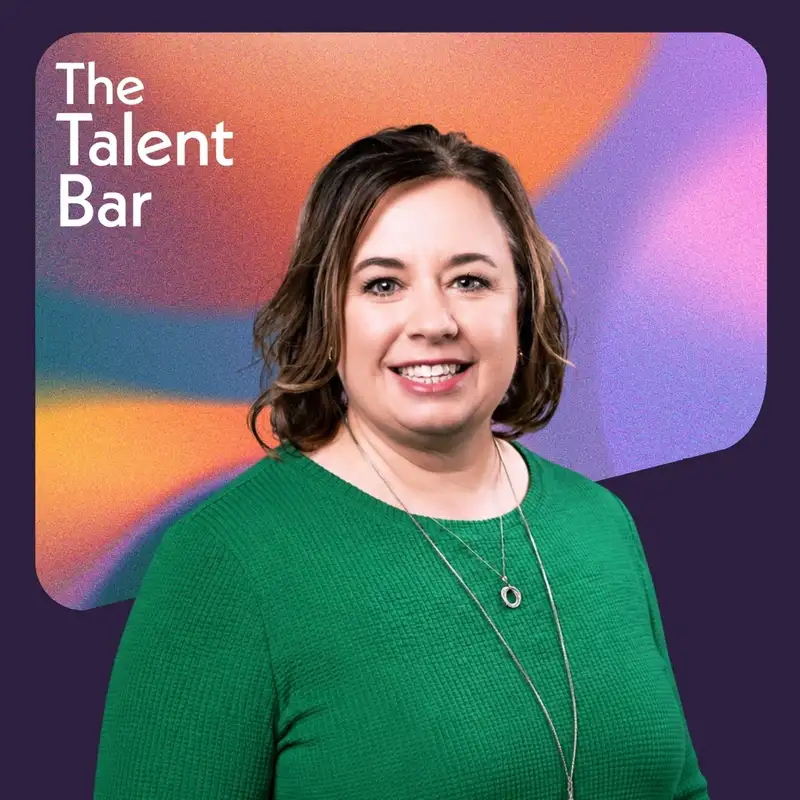
Reading The Room with Jennifer Neef

Jennifer Neef has spent more than two decades building one of the largest career services operations in the country at the University of Illinois Urbana-Champaign, working with 40,000 students a year and coordinating over 150 career professionals across campus. In this episode, she talks with Colleen about what she's actually seeing on the ground as AI reshapes how students apply for jobs, why internships have become the clearest signal employers can get, and how the shift away from name-brand employers is opening doors at small and mid-sized companies. Jennifer also shares her own winding path from animal science and 4-H education to running career services at one of the country's biggest public universities, and what that unlikely journey has taught her about telling students to stop planning ten years ahead. Takeaways: AI has made it easier to apply to everything and harder to stand out doing it. Jenny coaches students to resist the "apply to 500 jobs" instinct and instead get specific about their interests, values, and skills, then use that clarity to build a targeted search with real outreach and networking. An internship isn't just a resume line, it's proof of work. Students who've done one are landing full-time roles at twice the rate of those who haven't, because employers finally get a real signal instead of a polished application. When big-name employers pull back, smaller and mid-sized companies get a shot at overlooked talent, but only if students do the work to find them. Jenny's team is focused on surfacing opportunities at organizations that don't have a consumer brand or a big recruiting budget behind them. Watch what's happening in assessment as a leading indicator for hiring. Paper and pencil exams and in-person testing centers are making a comeback, not out of nostalgia, but because institutions need a real read on whether people can think and decide for themselves. Tell students to stop building a ten-year plan. Jenny's advice, born out of her own unplanned career path, is to build resilience instead of rigidity, since the opportunities that end up mattering most are rarely the ones anyone saw coming. Quote of the Show: "We're spending a lot of our time helping students really think through what are their interests, what are their values, how are their skills aligned with the needs of employers, and figuring out their own authentic self." - Jennifer Neef Links: LinkedIn: https://www.linkedin.com/in/jenniferneef/ Website: https://illinois.edu/ Ways to Tune In: The Talent Bar: https://thetalentbarpodcast.com/  Spotify: https://open.spotify.com/show/6j8LK95YtqW7ZMU4kwBNgR   Apple Podcasts: https://podcasts.apple.com/us/podcast/the-talent-bar/id1891705495  Amazon Music: https://music.amazon.com/podcasts/b7f77aa2-de4c-4e5c-b5de-cfe60fe39c77   iHeart Radio:https://www.iheart.com/podcast/1333-the-talent-bar-328811219 YouTube: https://www.youtube.com/@TheTalentBar